
Gentle Solutions for Complex Gynaec Issues
Gynaec-Laparoscopy
Gynaec-Laparoscopy in Ahmedabad
Gynaec-Laparoscopy in Ahmedabad
Gynaec-Laparoscopy Treatment
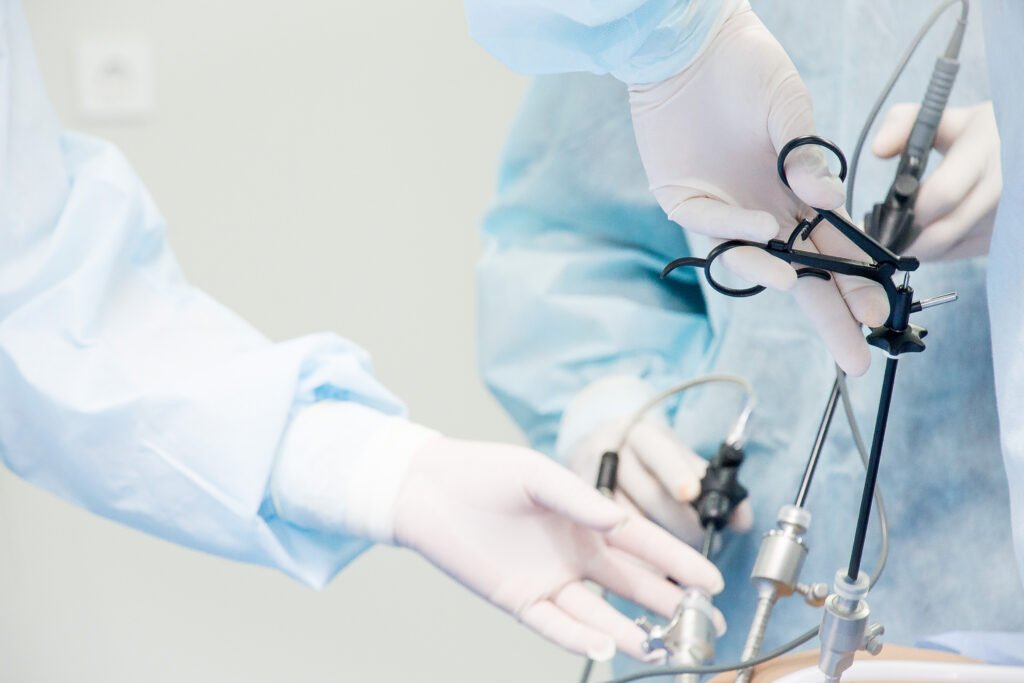
Gynecologic laparoscopy is a minimally invasive procedure used to diagnose and treat various reproductive health issues. Through small incisions in the abdomen, a thin, camera-equipped tube (laparoscope) and surgical tools are inserted, allowing the doctor to view and operate on the internal pelvic organs with high precision.
At Grace Women’s Hospital, Dr. Nehi Parikh performs advanced laparoscopic procedures with utmost care and precision. This technique offers quicker recovery, less pain, and minimal scarring—making it an ideal solution for conditions like fibroids, ovarian cysts, endometriosis, and infertility concerns.
Gynaec-Laparoscopy in Ahmedabad
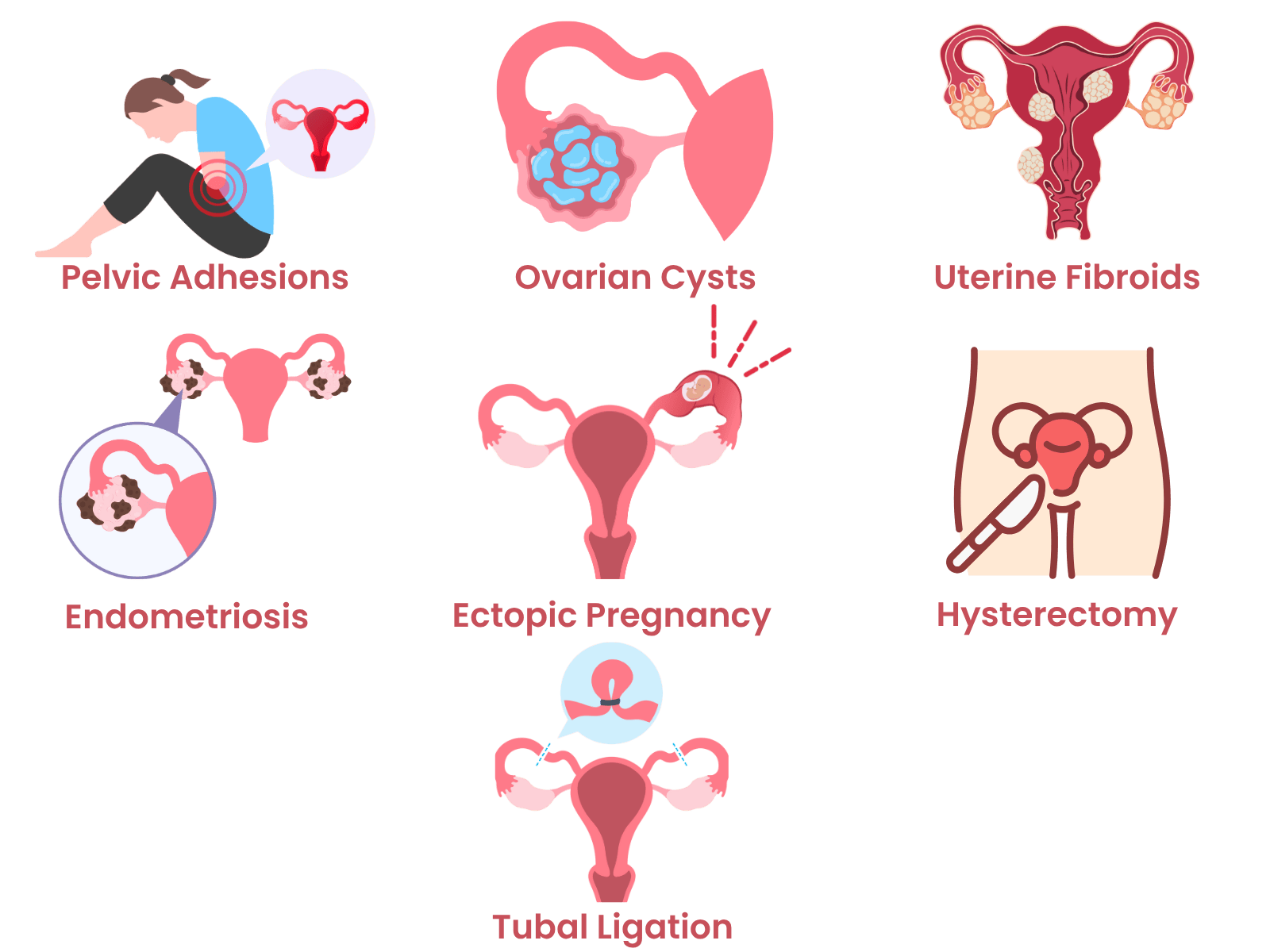
Endometriosis
Used to locate and remove abnormal tissue growing outside the uterus, helping relieve pain and improve fertility.
Pelvic Adhesions
Breaks down scar tissue in the pelvic area that may cause pain or affect reproductive organs.
Ovarian Cysts
Removes large or painful cysts while preserving ovarian function and reducing recurrence.
Uterine Fibroids
Removes fibroids that are causing heavy bleeding, pelvic pressure, or fertility issues.
Ectopic Pregnancy
Safely removes a pregnancy growing outside the uterus to prevent complications.
Hysterectomy
A minimally invasive approach to remove the uterus in cases of chronic pain, bleeding, or cancer.Tubal Ligation
A permanent method of birth control where fallopian tubes are sealed or removed via laparoscopy.
Conditions Treated with Gynaec-Laparoscopy
Diagnostic Laparoscopy
Helps identify the cause of infertility, pain, or abnormal bleeding.
Myomectomy
Removal of fibroids while preserving the uterus.
Cystectomy
Surgical removal of ovarian cysts.
Adhesiolysis
Removal of pelvic adhesions that may cause pain or infertility.
Endometriosis Treatment
Excision or ablation of endometrial tissue.
Tubal Surgery
For blocked or damaged fallopian tubes.
Expert Surgical Precision
Dr. Nehi Parikh brings advanced laparoscopic expertise for accurate diagnosis and minimally invasive treatment
Modern Operation Theatres
Equipped with high-end laparoscopic technology for safer and faster procedures
Faster Recovery, Less Downtime
Smaller incisions mean quicker healing, minimal pain, and early return to daily life
Fertility-Preserving Techniques
Treats conditions without affecting your ability to conceive in the future
Why To Consult Dr. Nehi Parikh For Gynaec-Laparoscopy ?
At Grace Women’s Hospital, Dr. Nehi Parikh answers your most common questions about gynaec-laparoscopy—helping you understand the procedure, recovery, and benefits with clarity and confidence.
Yes, laparoscopy is a very safe and commonly used technique. At Grace Women’s Hospital, Dr. Nehi Parikh ensures the procedure is done with the highest level of safety and precision.
Laparoscopy involves tiny incisions, so any scarring is minimal. Most patients have very faint or no visible scars after healing.
Yes, it’s often used to diagnose the cause of pelvic pain, including conditions like endometriosis or adhesions that might not show up on ultrasound.
Most women can resume light activities in 3–5 days and get back to work within a week. Dr. Nehi Parikh will guide you based on your specific case.
General anesthesia is typically used, so you’ll be asleep and won’t feel pain during the
- Smaller incisions
- Lower Risk of Infection
- Reduced post-operative pain
- Accurate diagnosis and treatment
- Fertility Preservation